
"HB-L2 parts"
70000 article(s) found

Introduction of Colombian Coffee Flavor Hope Manor Colombian Coffee characteristics Manor production area
The main varieties of Colombian coffee are small grains of coffee. Plants are small trees or large shrubs, 5-8 m tall, usually much branched at base; old branches gray-white, nodes dilated, young branches glabrous, compressed. Leaves thinly leathery, ovate-lanceolate or lanceolate, 6-14 cm long and 3.5-5 cm wide, tip long acuminate, acuminate part 10-15 mm long, base cuneate or slightly obtuse, rarely rounded, entire or

Introduction to the Variety characteristics of Colombian Coffee Flavor description treatment
Colombian Coffee Flavor description treatment method Variety characteristics Colombian Pavilion official Meriscio Prada told Xinhua that the venue held a two-week coffee exhibition for visitors to taste Colombian coffee and introduce and promote Colombian coffee and coffee culture to tourists from China and all over the world. Participated in the preparatory work of the Columbia Pavilion

Video of hand-brewing Coffee five techniques of Coffeecarrot Coffee extraction
Professional coffee knowledge exchange more coffee bean information please follow the coffee workshop (Wechat official account cafe_style) how to simply flush out delicious coffee boutique hand-brewed coffee tutorial video Coffeecarrot-style coffee extraction powder dosage of 20g extract: 300ml Step1: first put the newly boiled water into the hand pot and sharing pot to pour back, repeat two or three times

Introduction to the characteristics of Hope Manor, the main varieties of Coffee in Colombia
The main varieties of Colombian coffee are small grains of coffee. Plants are small trees or large shrubs, 5-8 m tall, usually much branched at base; old branches gray-white, nodes dilated, young branches glabrous, compressed. Leaves thinly leathery, ovate-lanceolate or lanceolate, 6-14 cm long and 3.5-5 cm wide, tip long acuminate, acuminate part 10-15 mm long, base cuneate or slightly obtuse, rarely rounded, entire or

Colombian Coffee Bean Flavor taste the manor area introduces Colombian boutique coffee beans Colombia
The main varieties of Colombian coffee are small grains of coffee. Plants are small trees or large shrubs, 5-8 m tall, usually much branched at base; old branches gray-white, nodes dilated, young branches glabrous, compressed. Leaves thinly leathery, ovate-lanceolate or lanceolate, 6-14 cm long and 3.5-5 cm wide, tip long acuminate, acuminate part 10-15 mm long, base cuneate or slightly obtuse, rarely rounded, entire or

Introduction of Colombian Coffee Flavor and Taste small Coffee Hope Manor Colombian Coffee Origin
The main varieties of Colombian coffee are small grains of coffee. Plants are small trees or large shrubs, 5-8 m tall, usually much branched at base; old branches gray-white, nodes dilated, young branches glabrous, compressed. Leaves thinly leathery, ovate-lanceolate or lanceolate, 6-14 cm long and 3.5-5 cm wide, tip long acuminate, acuminate part 10-15 mm long, base cuneate or slightly obtuse, rarely rounded, entire or

A brief introduction to the planting of Colombian boutique coffee beans with a smooth taste, geographical location, climate and altitude
The main varieties of Colombian coffee are small grains of coffee. Plants are small trees or large shrubs, 5-8 m tall, usually much branched at base; old branches gray-white, nodes dilated, young branches glabrous, compressed. Leaves thinly leathery, ovate-lanceolate or lanceolate, 6-14 cm long and 3.5-5 cm wide, tip long acuminate, acuminate part 10-15 mm long, base cuneate or slightly obtuse, rarely rounded, entire or

Colombian Coffee characteristics Classification Fine Coffee Origin
The history of coffee cultivation in Colombia can be traced back to the Spanish colonial era in the 16th century, and there are many theories about the history of coffee in Colombia: one: it is said to come from the island of Haiti in the Caribbean and from El Salvador in Central America. Second: in 1808, a priest introduced coffee beans to Colombia for the first time from the French Antilles via Venezuela. One of them
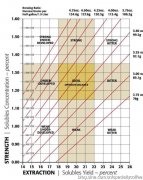
The ratio of coffee to water the standard brewing ratio of hand-brewed coffee
Standard brewing ratio (Standard Brewing Ratio) the number of cups of coffee Cups of Coffee the amount of water used by COFFEE TO BE USED WATER TO BE USED by weight BY WEIGHT by weight BY MEASURE ounces Ounces grams Grams teaspoons Tea Spoons spoons Table Spoons cup Cups coffee liquid (ounces) Fluid O

How to solve the problem of Powder leakage in Delong Coffee Machine
How to solve the problem of Delong coffee machine powder leakage instructions 1. When cleaning the coffee dregs receiving box, it must be emptied first. 2. The water tank of Delong coffee machine needs to be cleaned regularly. 3. The water level indicator buoy is red, which can show the water storage inside the drip tray. When the water level indicator buoy is clearly visible, needles can be used to dredge it. 4. Periodically

Columbia Hope Manor Coffee Grinding characteristics Variety Flavor description Taste introduction
The main varieties of Colombian coffee are small grains of coffee. Plants are small trees or large shrubs, 5-8 m tall, usually much branched at base; old branches gray-white, nodes dilated, young branches glabrous, compressed. Leaves thinly leathery, ovate-lanceolate or lanceolate, 6-14 cm long and 3.5-5 cm wide, tip long acuminate, acuminate part 10-15 mm long, base cuneate or slightly obtuse, rarely rounded, entire or

Flavor description of Colombian Xuefeng Coffee Bean introduction to the regional treatment of taste varieties
Description of the flavor of Colombian Xuefeng coffee beans one of the regional treatments is said to have come from the island of Haiti in the Caribbean and from El Salvador in Central America. Second: in 1808, a priest introduced coffee beans to Colombia for the first time from the French Antilles via Venezuela. One of the first coffee seeds in Colombia was made through the province of Santander.

World famous Coffee Tour: Yega Snow Coffee, Ethiopia (part two)
[product name]: Ethiopia Ethiopia Yirgacheffe [quality rating]: WP Grade 2 [baking]: recommended moderate baking (Medium Roast or City Roast) [grade]: excellent [granule]: ★ full [acidity]: ★★★★ slightly sour, dark chocolate aftertaste [balance]: ★★★★ is very stable
Introduction of Ethiopian Hunkute Hungut coffee beans _ how to make Ethiopian coffee
Professional coffee knowledge exchange more coffee bean information please follow the coffee workshop (Wechat official account cafe_style) this bean comes from the Sidamo region of Ethiopia coffee producing region in Africa (Sidamo is a sizeable and major coffee producing area in Ethiopia), the Hanggut processing plant handles the raw beans, so it is named after the beans, and then in order to ensure the stability of the beans.

Melaleuca automatic coffee machine detergent concentration instructions video maintenance introduction
Melaleuca automatic coffee machine detergent concentration instructions video maintenance introduction try to choose professional detergent for cleaning, so that neither damage to the machine, decontamination effect is good, and relatively safe. If you really don't have a cleaning detergent, try mixing one part white vinegar with six parts water. This can also replace professional detergents. You can also use lemon.

Colombia Coffee Producers Association-Coffee Flavor Description Treatment Quality Introduction
Colombia Coffee Producers Association-Coffee Flavor Description Quality Introduction Large commercial coffee farms are located in the central and northern regions, and are the main commercial bean producing areas, including the central region with a long history of Medlin, Armenia, Manizales (Medilin,Armenia,Manizales), commonly known as [MAM]. The fruit acid flavor is heavy and typical of Central America. but East

Colombia coffee history trace species morphology
The history of coffee cultivation in Colombia can be traced back to the Spanish colonial era in the 16th century. There are also many sayings about the history of coffee in Colombia: First, it is said that it came from the Caribbean island of Haiti via Salvador in Central America. Second, coffee beans were first introduced into Colombia in 1808 by a priest from the French Antilles via Venezuela. one of

How much water do you make with 15g of hand coffee? How to cook Nicaraguan giant water to wash elephant beans? Nicaragua
Professional coffee knowledge exchange more coffee bean information please follow the coffee workshop (Wechat official account cafe_style) hand coffee 15g how much water? How to cook Nicaraguan giant water to wash elephant beans? The flavor of Nicaraguan giant beans? The Nicaraguan coffee Maragogype, which is surrounded by alpine clouds, is a variant of Typica giant bean, about 2-3 times higher than the average Arabica.

Introduction to Hope Manor, the main variety of Colombian coffee
One: it is said to come from the sea island of the Caribbean and from El Salvador in Central America. Second: in 1808, a priest introduced coffee beans to Colombia for the first time from the French Antilles via Venezuela. One of them is that Colombia's first coffee seeds were imported from Venezuela through the province of Santander. [1] third: the earliest coffee cultivation in Colombia

Colombian coffee storage method unique flavor
The history of coffee cultivation in Colombia can be traced back to the Spanish colonial era in the 16th century, and there are many theories about the history of coffee in Colombia: one: it is said to come from the island of Haiti in the Caribbean and from El Salvador in Central America. Second: in 1808, a priest introduced coffee beans to Colombia for the first time from the French Antilles via Venezuela. One of them